A New Jersey Grower Bet Its License on a Hidden Farm. It Lost Everything.
A former employee describes investor pressure, an unlicensed outdoor harvest and a plan to drive down extract prices. By their account, it ended with the state revoking every license the company held.

Editor's note: This story contains allegations of greed and of pressure to generate additional profits, along with a desire to control the market price of extracted cannabis products. It is based on the account of one eyewitness who worked for the company. None of their claims have been independently verified.
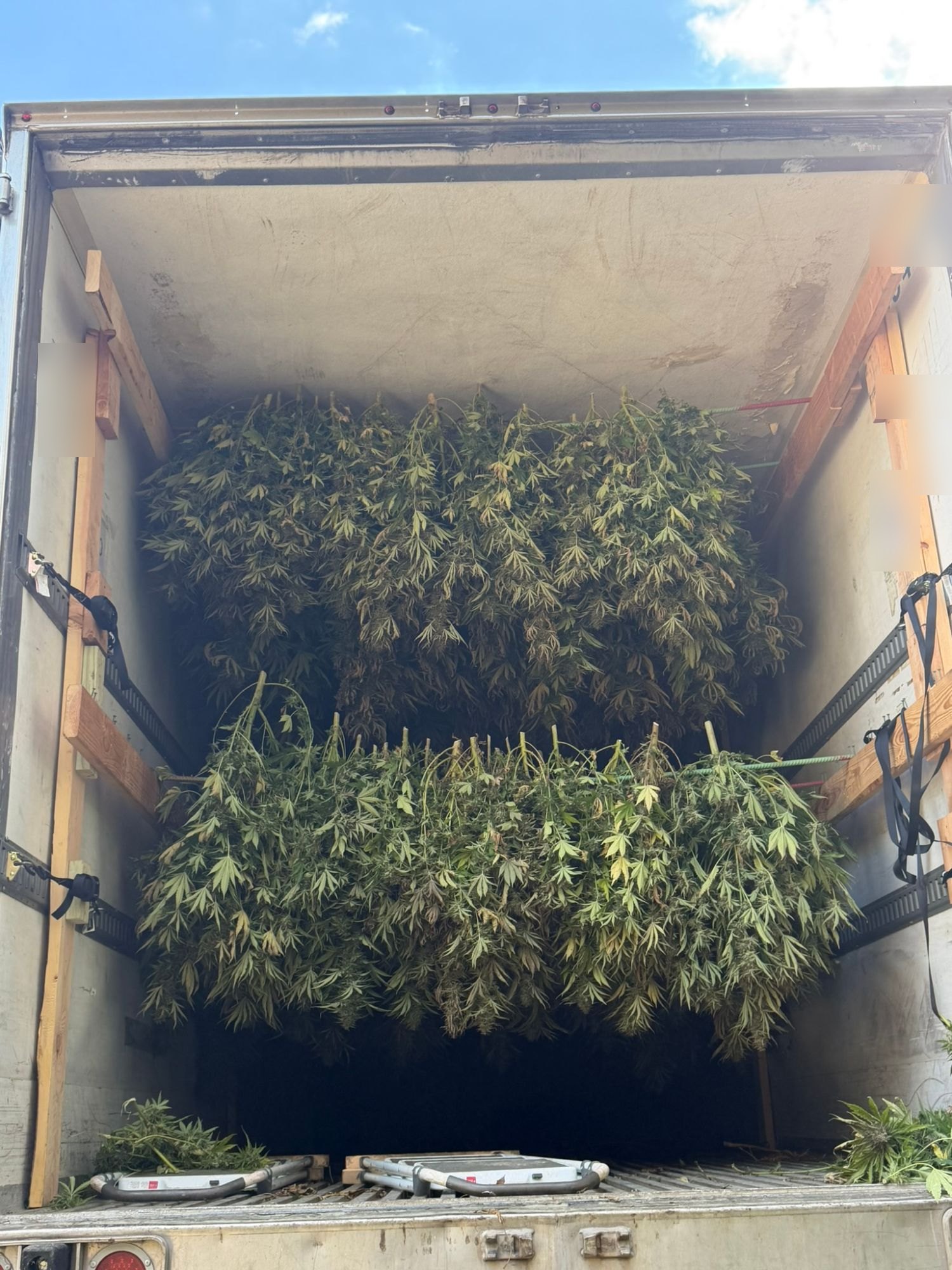
PLAINFIELD, N.J. — In the fall of 2025, refrigerated box trucks began making the run down Route 206 from the farm country of Sussex County. Inside their cargo holds, rebar had been rigged so whole cannabis plants could hang upright for the drive. At the other end, in a converted truck factory in Plainfield, the plants were dried, frozen, processed and readied for New Jersey's legal market.
The state had licensed that Plainfield building to grow cannabis. It had never licensed the farm in Sussex County.
Within months, the company behind the operation, Mollitiam NJ, had been shut down by state regulators, and by July 2026 it had lost every license it held. In public filings, the New Jersey Cannabis Regulatory Commission said the company had run an outdoor grow at an unapproved site and moved the flower into its licensed facility.
What the commission's documents don't explain is why. A former employee, who agreed to speak on the condition that they not be identified, offered an answer: pressure from investors to make more money, and a plan to use an enormous unlicensed harvest to push down the price of cannabis extracts across the state. None of the employee's account has been independently verified, and no one involved has been charged with a crime.
“Do what you have to do”
By the employee's telling, the trouble started with the money behind the company. New Jersey growers ship their product and then wait to be paid, sometimes for months, and some dispensaries never pay at all, the employee said. As bills mounted, investors wanted returns faster. "They wanted a corner of the market," the employee said. The instruction to the company's leadership, as they describe it, amounted to: do what you have to do. Investors sometimes walked the grow rooms telling staff to grow faster.
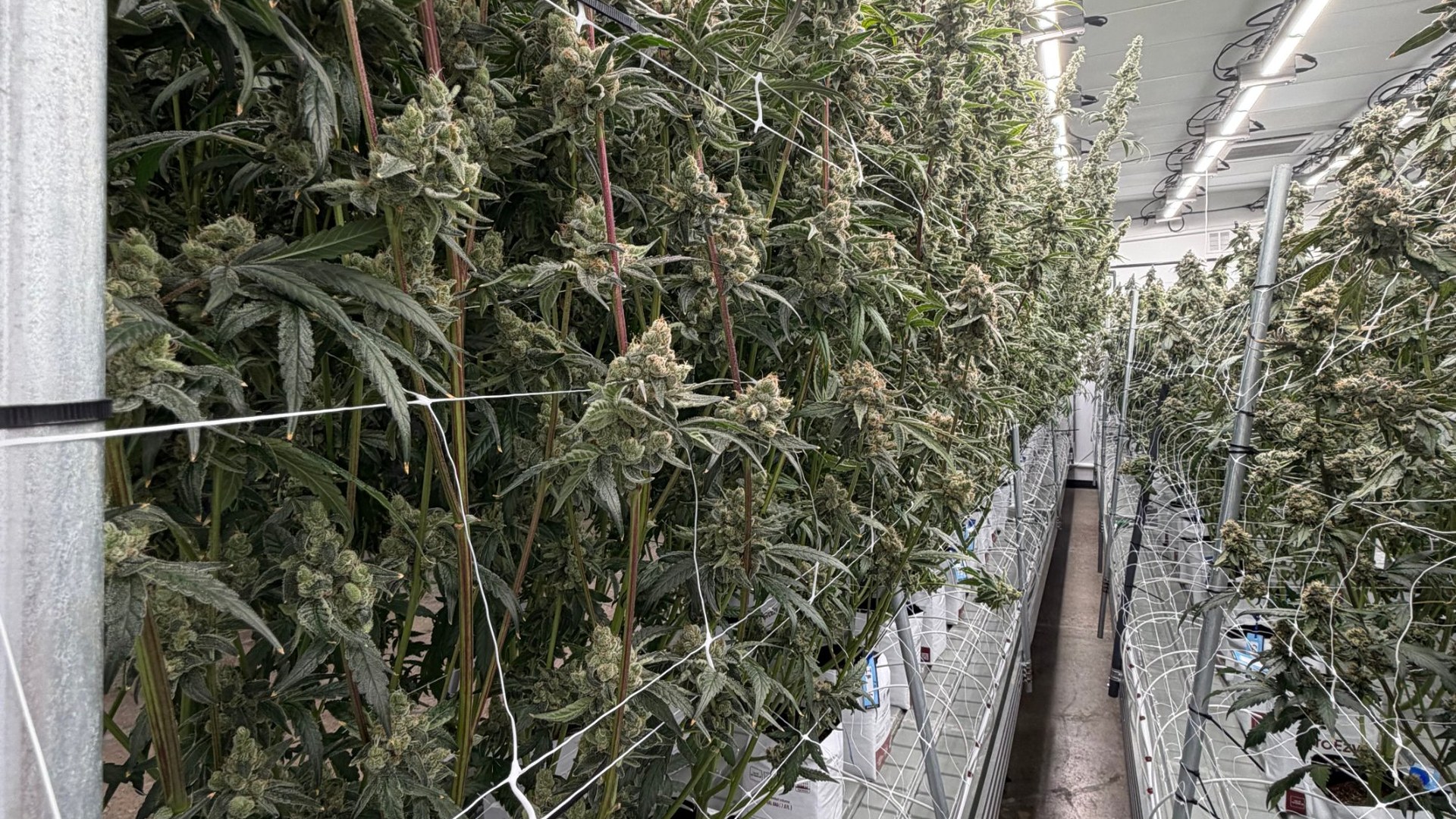
On paper, the business looked solid. The employee described four flower rooms in Plainfield, each under roughly 50 lights, with separate rooms for propagation, processing, trimming and drying, and a build-out they estimated cost well over $1 million. The indoor flower, sold as Jersey Strong, reached dispensary shelves, though not in large volume.
By April 2025, according to the employee, company leadership was already planning an outdoor grow. That same month, Andover Township's land-use board heard an application to turn part of a roughly 210-acre farm off Brighton Road into an outdoor cannabis farm, with fenced fields totaling about 100 acres. The township approved it. The state never did. According to NJ.com, the company's request to the commission was still pending while the farm operated.
By June, workers were in Andover pulling male plants "by the thousands" across five fields, the employee said. The employee put the planted area at about 40 acres, well short of what the town's site plan allowed.
Staff were told the arrangement was legitimate, the employee said. The license had been approved to move to Andover, they were told, and the coming harvest would be Plainfield's last indoor crop. Not everyone was convinced, the employee said, especially when it came to how the outdoor plants would be tagged in Metrc, the seed-to-sale system New Jersey uses to track every licensed plant. When the question came up, the answer, as the employee recalls it, was: "We'll put tags on them later."
Twenty thousand pounds
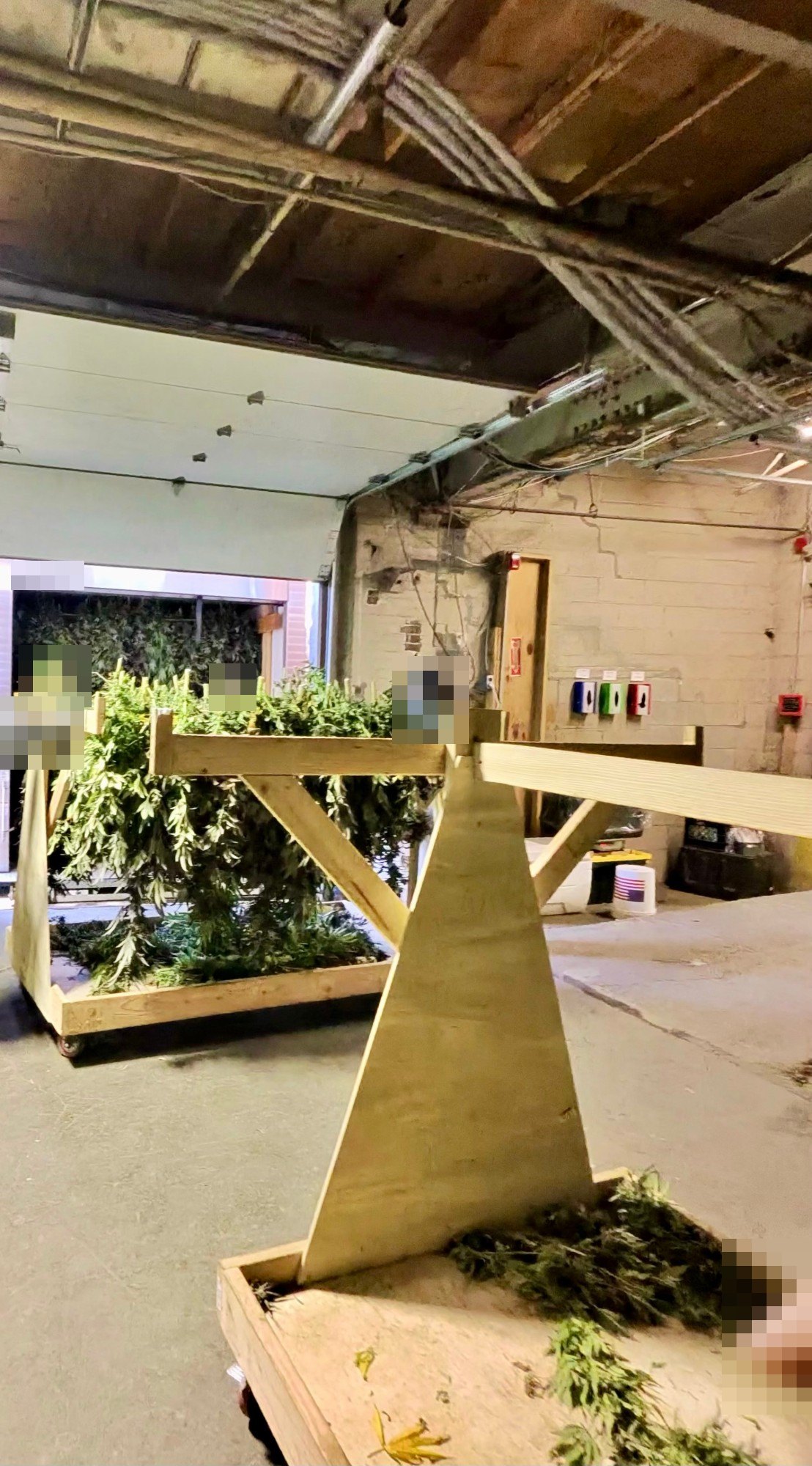
The harvest ran from late September into November. It was a poor season for growing outdoors, and the employee described heavy losses to weather and mold. Even so, the volume overwhelmed Plainfield. A second space in the building was turned into a drying warehouse, and four 53-foot freezer trailers were parked outside. When the rented box trucks couldn't keep up, the employee said, a trucking firm with full-size trailers was hired. By their estimate, the company ended the season holding more than 20,000 pounds of fresh-frozen cannabis, a figure that could not be confirmed. One of the company's leaders, the employee recalled, liked to call it "the biggest grow this side of Kansas City."
The scale, the employee said, was the strategy. The fresh-frozen material would be used to corner the market for rosin, a solventless extract. The cured flower would become distillate for disposable vapes. "Their main goal was to force a price drop," the employee said. New Jersey's cannabis prices remain among the highest in the region, and the employee believed the harvest could have supplied the state for three or four years.
It didn't work out that way. The crop came in pollinated and full of seeds, the employee said, and could not be sold as smokable flower. It was sent out to be made into distillate, which came back to Plainfield to be filled into vape cartridges and infused joints. According to the employee, almost none of those products reached a store.
The commission's account suggests the flower traveled farther than that. Staff told the board in February that it had been sold through Metrc to other licensed companies, which mostly used it to make THC distillate.
“That’s where the investigation started”
On Feb. 3, 2026, CRC compliance officers arrived in Plainfield for what the commission later called a routine inspection. According to the employee, an inspector struggled to connect a handheld scanner. When it finally synced, they said, the state's records showed 600 to 700 plants still listed as unharvested, and nothing was growing in the building.
"That's where the investigation started," the employee said.
The commission's public account adds that during the visit, an owner told officers about the unlicensed outdoor grow. The agency froze the company's products in Metrc that day. On Feb. 12, it summarily suspended the cultivation and manufacturing licenses, citing 19 violations, and said it found no public-health risk in products already on shelves. On July 16, the commission voted 4–0 to revoke every license the company held.
The fallout reached well past the license. The employee said the product was ordered destroyed, the frozen material in the trailers was left to rot, and the company's small hourly staff lost their jobs. Those claims could not be independently confirmed.
The employee doesn't believe the story is over. The company can no longer operate in New Jersey, they noted, but the people who financed it are free to invest elsewhere.
Some of this story is not in dispute. A licensed grower ran an outdoor farm the state never approved, its flower moved through New Jersey's tracking system into the legal market, and regulators took away every license it held. What remains an allegation, from a single former employee, is the motive: investors pressing for faster returns, and a bet that a flood of cheap extract could reset prices across the state. No one has been charged with a crime, and everyone involved is presumed innocent. Still, the case shows what is at stake in a licensed market, where the price of participation is the license holder's investment and the capital invested. In Plainfield, by the employee's account, all of it was staked on a farm the state never approved.
Sources
- NJ CRC, Resolution 2026-02-12-15: Imposition of Sanctions Against Mollitiam NJ LLC (Feb 12, 2026)
- NJ CRC, February 12, 2026 public meeting minutes
- NJ CRC, July 16, 2026 public meeting minutes
- Andover Township Land Use Board minutes, April 1, 2025
- Jelani Gibson, NJ.com (via Yahoo News), Jun 18, 2026
- Interview with a former employee, who spoke on condition of anonymity